International Studies
I. General Information
Academic Discipline:
- Vietnamese: Quốc tế học
- English: International Studies
Program Name:
- Vietnamese: Đổi mới và Phát triển Toàn cầu
- English: Global Development and Innovation
Program Code: 7310601
Language of Instruction: English
Degree Awarded: Bachelor
Program Duration: 4 years
Level of Education: Undergraduate
Degree Conferred upon Graduation:
- Vietnamese: Cử nhân ngành Quốc tế học
- English: Bachelor of International Studies
II. Program Objectives
2.1. General Objective
The Global Development and Innovation Program aims to educate high-quality human resources with interdisciplinary and multidisciplinary knowledge of global issues, equipped with systems thinking, critical thinking, innovation capabilities, and technological competencies to analyze and address sustainable development challenges in the context of contemporary international relations. The program also fosters professional ethics, a strong sense of responsibility, and the ability to work effectively in international environments, thereby contributing to the sustainable development of Vietnam and the global community.
2.2. Specific Objectives
Knowledge
The program equips students with interdisciplinary knowledge and advanced technologies to analyze and address global challenges within the context of contemporary international relations. It develops the capacity to design innovative solutions and sustainable entrepreneurial strategies that promote comprehensive development in a globalized world. In addition, students acquire both foundational and advanced knowledge of language and intercultural communication, enabling them to adapt and perform effectively in diverse international settings.
Skills
The program develops students’ research skills in modern social sciences, enabling them to analyze data and evaluate global development issues. It fosters interdisciplinary thinking, critical thinking, and adaptability in multicultural and rapidly changing environments. Students are also equipped with leadership, innovation, teamwork, and independent working skills necessary for success in diverse international contexts.
Autonomy and Responsibility
The program cultivates professional ethics, respect for diversity, and commitment to preserving cultural values while addressing global development challenges. It also promotes social responsibility, transparency, and accountability in designing and implementing sustainable development solutions, empowering graduates to contribute positively to improving quality of life in an increasingly globalized world.
III. Career Opportunities
Group 1: Civil Servants, Public Employees, and Administrative Staff
Graduates may work in government agencies and public institutions in Vietnam, contributing to policy formulation and the development of programs related to innovation and sustainable development.
Group 2: Managers, Coordinators, Specialists, and Officers
Graduates may pursue careers in development agencies, international organizations, embassies, international non-governmental organizations (NGOs) such as UNDP, UNESCO, JICA, the World Bank, the Asian Development Bank (ADB), Plan International, and Oxfam, as well as multinational corporations, social enterprises, and professional organizations.
They may also work in research and development, external relations, business development, communications (including newspapers, radio, and television organizations), and administrative departments of multinational corporations, private enterprises, and other organizations.
Group 3: Researchers, Lecturers, and Policy Analysts
Graduates may work in educational institutions, research institutes, policy analysis centers, and development organizations as researchers, lecturers, or analysts.
Group 4: Entrepreneurship
Graduates may establish and manage their own ventures in areas such as trade, services, digital business, sustainable development, and other innovation-driven sectors.
Opportunities for Further Study
Upon graduation, students will be able to:
- Pursue lifelong learning and independent research to address challenges encountered in professional practice;
- Analyze theoretical and practical issues related to global development and innovation;
- Continue postgraduate studies (Master’s and Ph.D. programs) in fields related to global development and innovation at national, regional, and international institutions.
IV. Distinctive Features of the Program
4.1. Liberal Arts Education
- Educates responsible global citizens through the holistic development of intellectual, ethical, spiritual, and physical capacities, guided by the values of truth, goodness, and beauty.
- Upholds academic freedom and offers a diverse range of elective courses that allow students to pursue their interests and career aspirations.
- Promotes independent and critical thinking through interdisciplinary and multidisciplinary approaches to addressing global development challenges.
- Fosters an innovative mindset and encourages students to explore and develop solutions to emerging global issues.

4.2. Sustainable Development
The program nurtures socially responsible citizens who uphold the values of equity and inclusiveness, demonstrate a strong commitment to environmental stewardship, appreciate and preserve cultural values, and possess the innovative capacity and adaptability needed to respond effectively to the challenges and opportunities of a rapidly changing world.

4.3. Interdisciplinary and Multidisciplinary Approach
The program provides students with broad-based knowledge across multiple disciplines while fostering systems thinking, creativity, analytical skills, and collaborative competencies. Through an interdisciplinary and multidisciplinary learning approach, students are equipped to apply knowledge flexibly and effectively in addressing complex global challenges.
4.4. Internationalization
The program collaborates with leading universities worldwide, including the University of Berlin (Germany) and Waseda University (Japan), through field research programs, faculty and student exchanges, and intercultural activities.
Students have opportunities to study and gain international experience in Japan, Germany, and other countries, enabling them to deepen their understanding of regional policies, technological innovation, and global economic strategies.
The program also promotes multilingual competencies in an international learning environment. English serves as the primary language of instruction, while students have opportunities to study additional languages such as Japanese and Vietnamese, enhancing their competitiveness in international business, diplomacy, and global research.

4.5. Experiential Learning and Global Career Opportunities
Experiential Learning and Entrepreneurship
The program emphasizes experiential learning through entrepreneurship projects, the application of emerging technologies such as Artificial Intelligence (AI), Blockchain, and smart management systems, as well as internship opportunities with multinational corporations and international organizations.
Global Career Development
Students develop professional communication skills and the ability to work effectively in multicultural environments. The program equips graduates with the competencies required for careers in technology, sustainable development, diplomacy, international business, and other globally oriented sectors.
Expanding International Career Networks
Through partnerships with international companies and organizations, students gain access to a wide range of global employment opportunities, including positions in multilateral organizations, diplomatic institutions, multinational corporations, and development agencies.
V. Curriculum Structure
5.1. Curriculum Overview
The undergraduate program consists of 140 credits, including the following components:
- General Education Courses: 21 credits
(excluding Physical Education, National Defense and Security Education, and Supplementary Skills Courses) - Field-Specific Foundation Courses: 27 credits
- Disciplinary Foundation Courses: 34 credits
- Major-Group Courses: 23 credits
- Major Courses: 35 credits
Curriculum Structure
5.2. Study Plan
During the first two years of the program, students focus on developing foreign language proficiency (particularly English), information technology skills, social science research methods, and other essential competencies required in the 21st century. At the same time, they acquire foundational knowledge in the social sciences and humanities, natural sciences, and fundamental technologies, thereby establishing a solid academic foundation for a comprehensive understanding of global development and innovation issues in the subsequent years of study.
In the final two years, students deepen their expertise in International Studies and gain advanced knowledge of global development and innovation issues within the context of contemporary international relations. They also have the opportunity to pursue one of two specialized tracks: Economic Management and Innovation, or Global Development Studies.
Alongside their academic and professional training, students study English for Global Development, Sustainable Development, and Innovation under the guidance of experts from Australia, Japan, Germany, and other countries. In addition, Japanese language courses are offered throughout the four-year program and are taught by native-speaking instructors.
A distinctive feature of the program is the opportunity for students to strengthen their language proficiency and intercultural communication skills through exchange programs, field research activities, and collaborative learning experiences with international students from Japan, Germany, and other European countries.
VI. Faculty Members
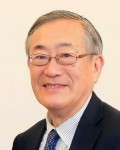
Prof. Motoo Furuta

Prof. Momoki Shiro

Assoc. Prof. Fujino Shinya

Assoc. Prof. Yuko Shimazaki

Mr. Phil Smith

Dr. Lương Minh Phương

Assoc. Prof. Nguyễn Thị Hoàng Hà

Dr. Nguyễn Thị Thuý Hằng

Dr. Lê Cẩm Nhung

Dr. Fujimoto Norimasa
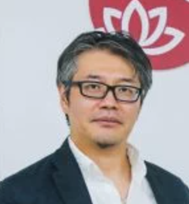
M.A. Negishi Masami

M.A. Vũ Thanh Thủy

Dr. Bùi Huy Kiên
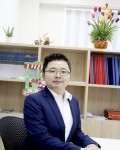
Dr. Hino Yoshifumi
VII. Admissions Information
Enrollment Quota (2025): 100 students
Admission Methods
- Admission based on competency portfolio assessment and interview.
- Admission based on the results of the National High School Graduation Examination.
- Admission based on the results of the Vietnam National University, Hanoi (VNU) High School Student Competency Assessment Examination in the admission year.
- Other admission methods:
- Admission based on international language certificates (English or Japanese) combined with the results of the 2025 National High School Graduation Examination.
- Admission based on standardized test scores such as SAT, ACT, or A-Level qualifications.
- Direct admission and priority admission in accordance with the admission scheme of Vietnam Japan University.
VIII. Program Learning Outcomes
8.1. Knowledge
PLO 1: Apply foundational knowledge of political theory, law, interdisciplinary sciences, international and regional studies, development studies, and innovation to analyze and address cultural, economic, political, and social issues in a global context within contemporary international relations.
PLO 2: Analyze interdisciplinary data and information related to sustainable development in a global context and propose appropriate solutions to promote sustainable development in Vietnam and worldwide.
PLO 3: Apply knowledge of language use in the context of contemporary international relations to communicate effectively and address professional issues appropriately.
8.2. Skills
Professional Skills
PLO 4: Utilize information technology, including Artificial Intelligence (AI), big data, and analytical tools such as SPSS, to develop innovative solutions and formulate sustainable entrepreneurship strategies.
PLO 5: Apply appropriate quantitative and qualitative research methods to collect, analyze, and interpret data for evaluating global development issues in the context of contemporary international relations.
PLO 6: Demonstrate interdisciplinary thinking to analyze development trends and propose effective, context-based solutions.
Transferable Skills
PLO 7: Achieve English proficiency at Level 4/6 (equivalent to B2 under the Vietnamese Six-Level Foreign Language Proficiency Framework) in accordance with the regulations of the Ministry of Education and Training and Vietnam National University, Hanoi, enabling effective communication in multicultural environments.
PLO 8: Demonstrate proficiency in office computing applications to support learning, research, and professional activities effectively.
PLO 9: Demonstrate critical thinking, adaptability, effective time management, self-directed learning, and the ability to work both independently and collaboratively.
8.3. Autonomy and Responsibility
PLO 10: Demonstrate social responsibility, transparency, and accountability to the community in addressing sustainable development challenges.
PLO 11: Develop appropriate work plans and complete assigned tasks in a timely manner.
PLO 12: Demonstrate leadership and promote innovation in multicultural environments.
8.4. Ethical Values
PLO 13: Demonstrate professional ethics; respect cultural diversity; and contribute to the preservation of cultural values when addressing economic, political, legal, cultural, and social issues, thereby promoting sustainable development and enhancing the quality of life worldwide.
5.2. Lộ trình học tập:
Trong hai năm đầu của chương trình đào tạo, sinh viên sẽ tập trung phát triển năng lực ngoại ngữ (đặc biệt là tiếng Anh), kỹ năng công nghệ thông tin, phương pháp nghiên cứu xã hội và các kỹ năng bổ trợ thiết yếu của thế kỷ XXI. Bên cạnh đó, sinh viên sẽ được trang bị kiến thức nền tảng trong các lĩnh vực khoa học xã hội và nhân văn, khoa học tự nhiên và công nghệ cơ bản, từ đó xây dựng nền tảng vững chắc để tiếp cận toàn diện các vấn đề đổi mới và phát triển toàn cầu trong hai năm học tiếp theo.
Trong hai năm cuối, sinh viên sẽ được đào sâu kiến thức chuyên ngành về quốc tế học, các vấn đề đổi mới và phát triển toàn cầu trong bối cảnh quan hệ quốc tế hiện đại, đồng thời lựa chọn một trong hai định hướng chuyên sâu: Quản lý kinh tế và đổi mới sáng tạo, hoặc Nghiên cứu phát triển toàn cầu.
Song song với quá trình tiếp thu kiến thức nền tảng và chuyên ngành, sinh viên sẽ được học tiếng Anh chuyên ngành về phát triển toàn cầu, phát triển bền vững và đổi mới sáng tạo với sự hướng dẫn của các chuyên gia đến từ Úc, Nhật Bản, Đức và các quốc gia khác. Ngoài ra, sinh viên được học tiếng Nhật xuyên suốt 4 năm với giảng viên bản ngữ. Đặc biệt, sinh viên có cơ hội nâng cao năng lực ngoại ngữ và giao tiếp liên văn hóa thông qua các chương trình trao đổi, nghiên cứu thực địa cùng sinh viên quốc tế đến từ Nhật Bản, Đức và nhiều quốc gia châu Âu khác.
VI. Giảng viên
VII. Thông tin tuyển sinh
Chỉ tiêu tuyển sinh năm 2025: 100 sinh viên
Phương thức tuyển sinh:
- Xét hồ sơ năng lực và phỏng vấn
- Xét tuyển dựa trên kết quả thi THPT
- Xét tuyển dựa trên kết quả thi đánh giá năng lực học sinh THPT của ĐHQGHN năm tuyển sinh
- Xét tuyển theo phương thức khác:
- Xét chứng chỉ ngoại ngữ quốc tế (tiếng Anh, tiếng Nhật) kết hợp kết quả thi THPT 2025
- Xét tuyển kết quả trong kỳ thi chuẩn hóa SAT, ACT, chứng chỉ A-Level
- Xét tuyển thẳng và ưu tiên xét tuyển theo đề án của Trường đại học Việt Nhật.
VIII. Chuẩn đầu ra:
CĐR 1: Vận dụng kiến thức nền tảng về lý luận chính trị, pháp luật, khoa học liên ngành, nghiên cứu quốc tế và khu vực, nghiên cứu phát triển và đổi mới sáng tạo để phân tích và giải quyết một vấn đề về văn hóa, kinh tế, chính trị và xã hội toàn cầu trong bối cảnh quan hệ quốc tế hiện đại.
CĐR 2: Phân tích dữ liệu, thông tin liên ngành về phát triển bền vững trong bối cảnh toàn cầu nhằm đề xuất các giải pháp phù hợp để thúc đẩy phát triển bền vững tại Việt Nam và trên thế giới.
CĐR 3: Áp dụng kiến thức về đặc thù ngôn ngữ trong bối cảnh quan hệ quốc tế hiện đại để giao tiếp hiệu quả và vận dụng vào việc giải quyết một vấn đề chuyên môn một cách phù hợp.
8.2. Về kỹ năng
- Kỹ năng chuyên môn
CĐR 4: Ứng dụng công nghệ thông tin (bao gồm trí tuệ nhân tạo (AI), dữ liệu lớn, và các công cụ phân tích như SPSS…) để phát triển các giải pháp đổi mới và xây dựng chiến lược khởi nghiệp bền vững.
CĐR 5: Vận dụng các phương pháp nghiên cứu định lượng và định tính phù hợp để thu thập, phân tích và diễn giải dữ liệu nhằm đánh giá các vấn đề phát triển toàn cầu trong bối cảnh quan hệ quốc tế hiện đại.
CĐR 6: Thể hiện tư duy liên ngành để phân tích các xu hướng phát triển và đề xuất các giải pháp hiệu quả phù hợp với thực tiễn.
- Kỹ năng bổ trợ
CĐR 7: Đạt trình độ tiếng Anh bậc 4/6 (tương đương trình độ B2 theo Khung năng lực ngoại ngữ của Việt Nam) theo quy định của Bộ Giáo dục và Đào tạo và Đại học Quốc gia Hà Nội, nhằm giao tiếp hiệu quả trong môi trường đa văn hoá.
CĐR 8: Sử dụng thành thạo tin học văn phòng để phục vụ hiệu quả cho học tập, nghiên cứu và công việc chuyên môn.
CĐR 9: Thể hiện tư duy phản biện, khả năng thích ứng linh hoạt, quản lý thời gian hiệu quả, tự học một cách chủ động và làm việc độc lập cũng như hợp tác nhóm một cách hiệu quả.
8.3. Về mức độ tự chủ và trách nhiệm
CĐR 10: Thể hiện trách nhiệm xã hội, tính minh bạch và năng lực giải trình với cộng đồng trong quá trình giải quyết các vấn đề phát triển bền vững.
CĐR 11: Thiết lập được kế hoạch công việc một cách hợp lý và hoàn thành nhiệm vụ đúng thời hạn.
CĐR 12: Thể hiện năng lực lãnh đạo và thúc đẩy đổi mới sáng tạo trong môi trường đa văn hóa.
8.4. Về phẩm chất đạo đức
CĐR 13: Thể hiện sự tuân thủ đạo đức nghề nghiệp; tôn trọng đa dạng văn hóa và góp phần bảo tồn các giá trị văn hóa trong giải quyết một vấn đề kinh tế, chính trị, pháp luật, văn hóa và xã hội, nhằm thúc đẩy phát triển bền vững và nâng cao chất lượng cuộc sống toàn cầu.
ĐĂNG KÝ TƯ VẤN TUYỂN SINH 2024