From July 16 to 30, 2026, Nguyễn Quang Dũng, a student of the Engineer’s program in Semiconductor Chip Technology (ESCT), and Trần Thị Thúy, a student of the Bachelor’s program in Japanese Studies (BJS), completed internships at Shiima Electronics, Japan. The experience gave the two students different perspectives: one gained greater confidence in pursuing a career in semiconductors, while the other discovered new experiences in a field far from her academic background.
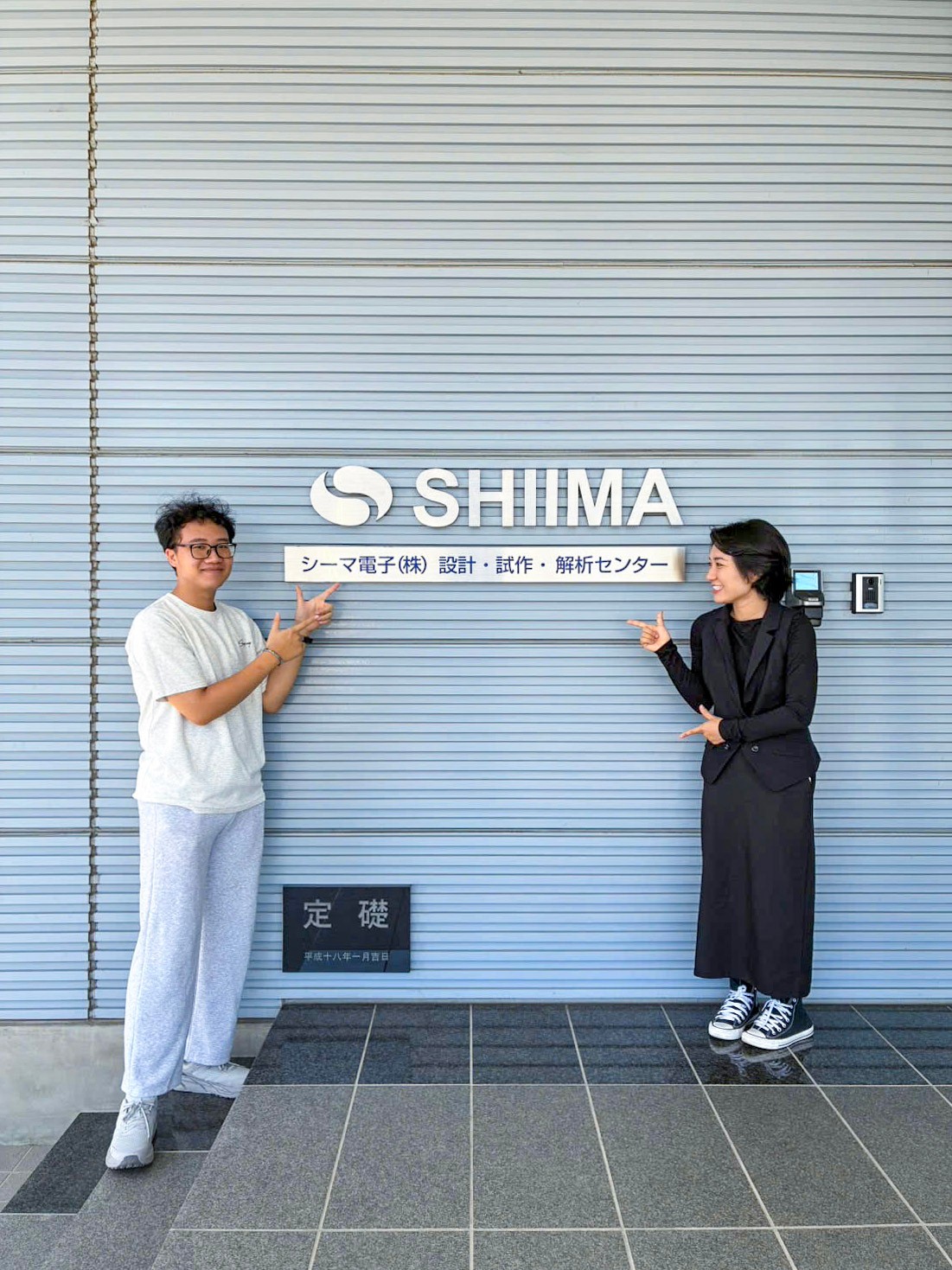
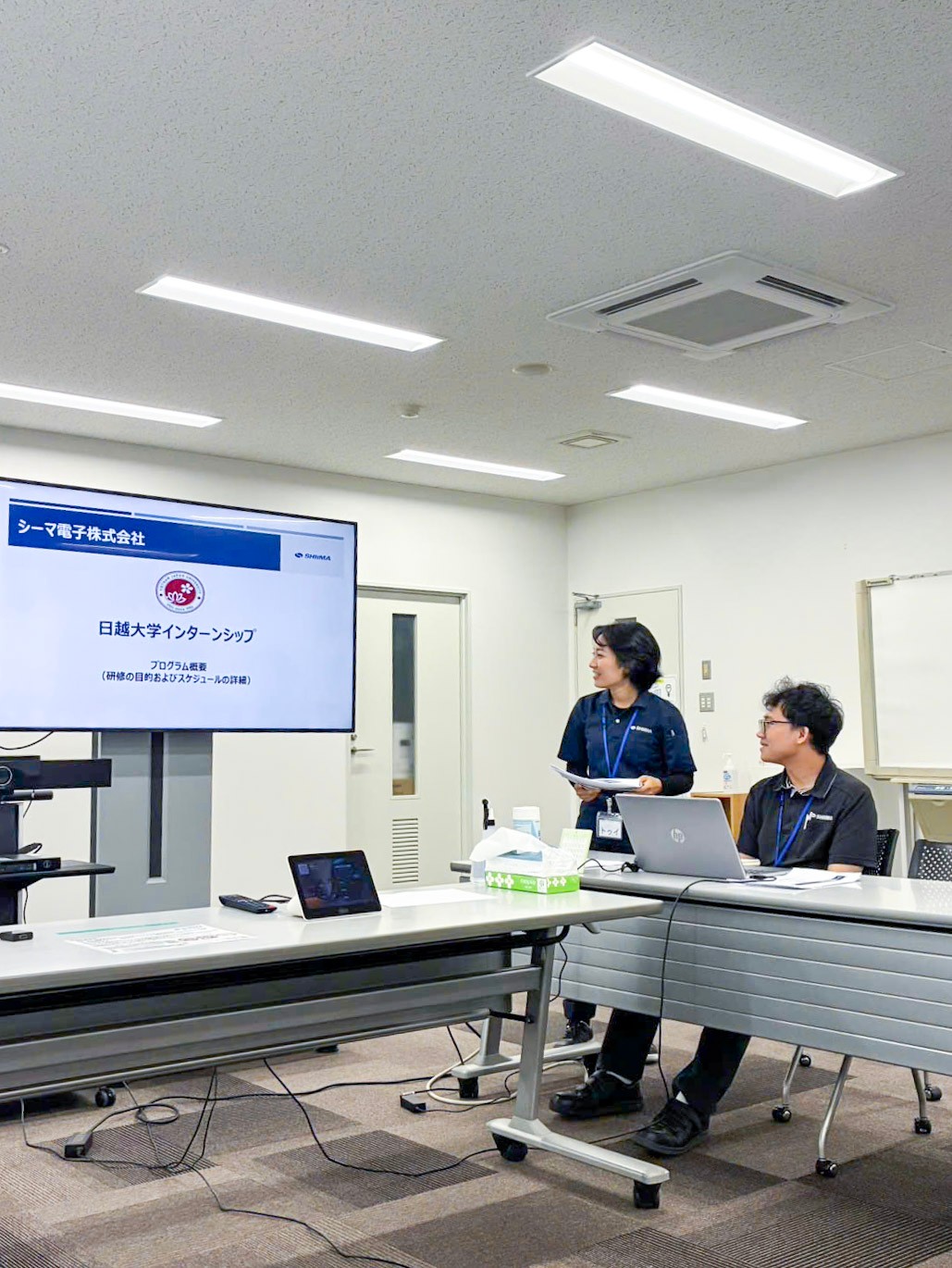
The internship opportunity at Shiima Electronics was introduced to VJU students through the Internship 1 course, reflecting the University’s commitment to connecting education closely with industry. It was also a concrete outcome of the cooperation agreement signed between VJU and Shiima Electronics on March 16, 2026, which placed particular emphasis on creating opportunities for students to participate in short-term internship programs in Japan.
Shiima Electronics has its headquarters in Yokohama, Kanagawa Prefecture, along with an office and factory in Nirasaki, Yamanashi Prefecture. The company is involved in various stages of semiconductor production, from technology development, assembly, and manufacturing to evaluation and testing. It currently operates more than 200 pieces of equipment for semiconductor assembly, evaluation, and quality testing, including equipment developed and manufactured in-house.
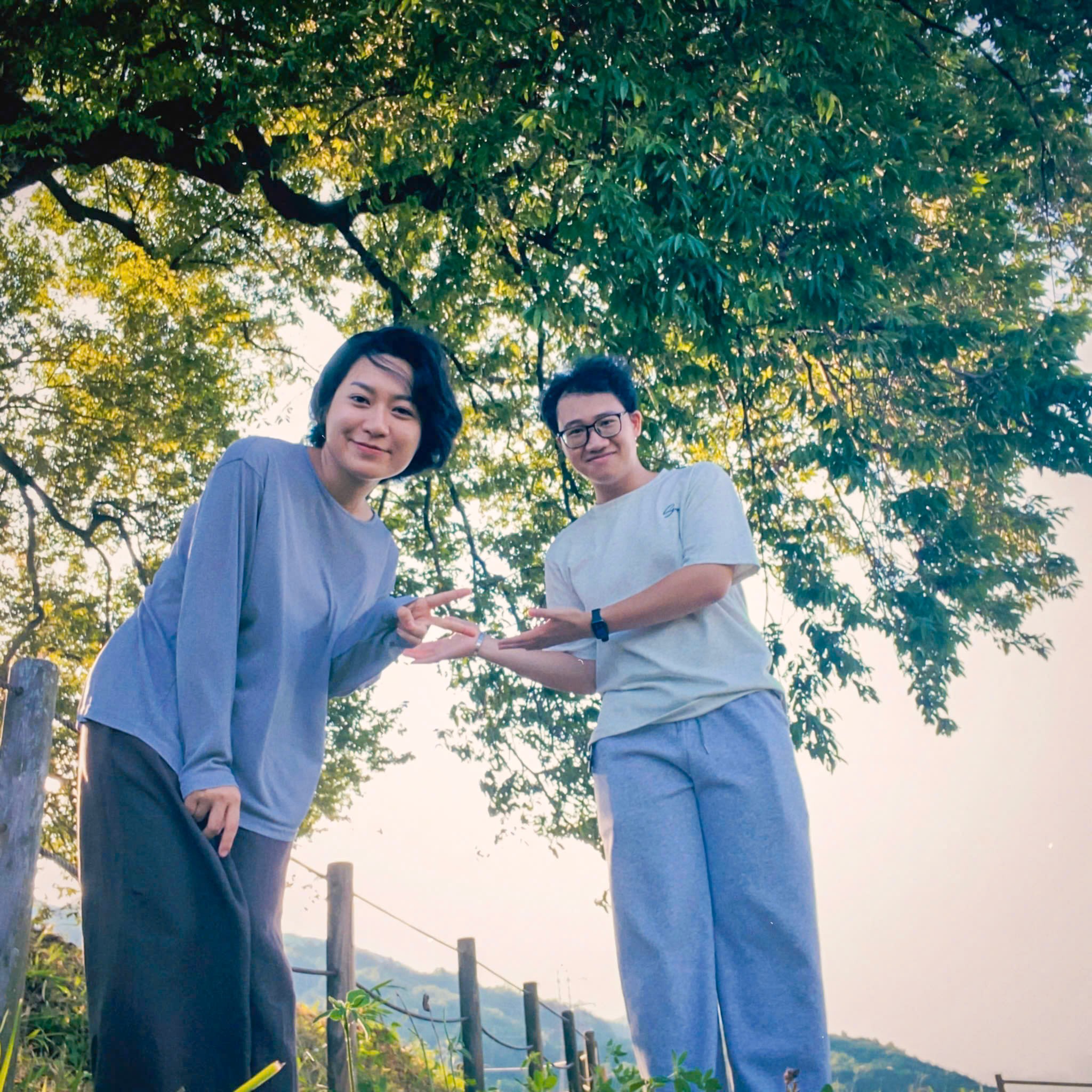
Quang Dũng grows more confident in pursuing a career in semiconductors
As a student in the Engineer’s program Semiconductor Chip Technology (ESCT2025), Nguyễn Quang Dũng saw the internship as more than a summer experience. For him, it was an opportunity to test what he had been learning in the classroom against the realities of an industrial workplace and to gain a clearer picture of his future career.
Dũng noted that his field of study requires a combination of in-depth theoretical knowledge and practical skills aligned with industrial standards. Stepping into a Japanese semiconductor company therefore gave him a clearer understanding of the gap between classroom learning and real-world professional requirements. During the internship, Dũng learned about the production, testing, and quality control processes for electronic components; visited and experienced technical processes in the factory and laboratory; and took part in professional discussions and teamwork with engineers.
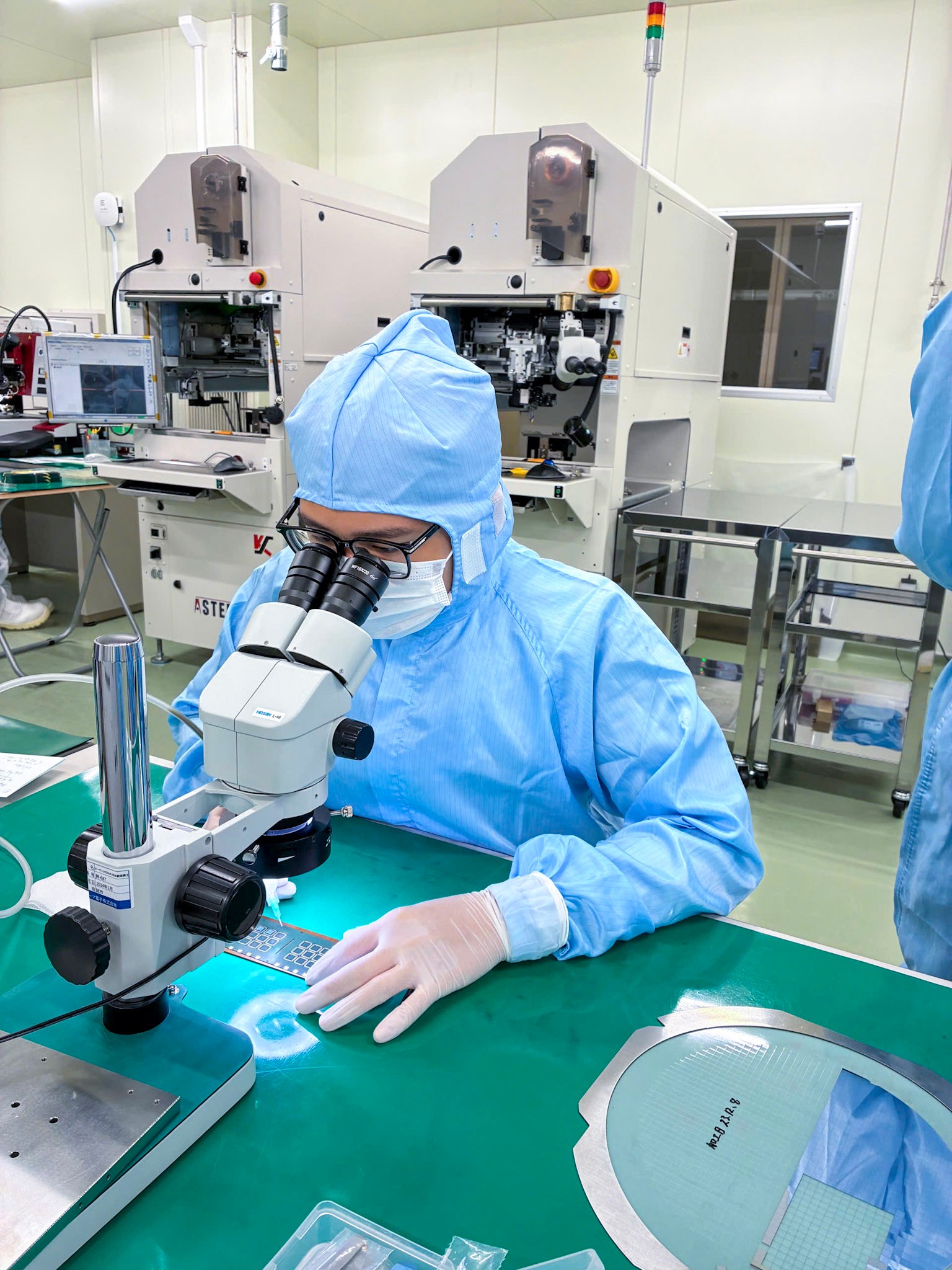
One of the things that left the strongest impression on Dũng was the sense of responsibility, attention to detail, and Kaizen culture of continuous improvement among the staff and engineers at Shiima Electronics. From observing visual inspections and functional testing to measuring electrical characteristics, Dũng was able to better understand the connection between logic design on software and the physical products produced at the end of the process. Processes that he had previously encountered mainly through theory became a concrete sequence of tasks requiring a high degree of precision at every stage.
His first direct experience with cleanroom standards and strict electrostatic control requirements was particularly eye-opening. Dũng came to understand just how demanding the semiconductor industry can be. Even a microscopic particle or a small electrostatic discharge can potentially affect an entire wafer structure or integrated circuit. The experience gave him a deeper appreciation of the meticulousness and absolute precision required of a semiconductor engineer.
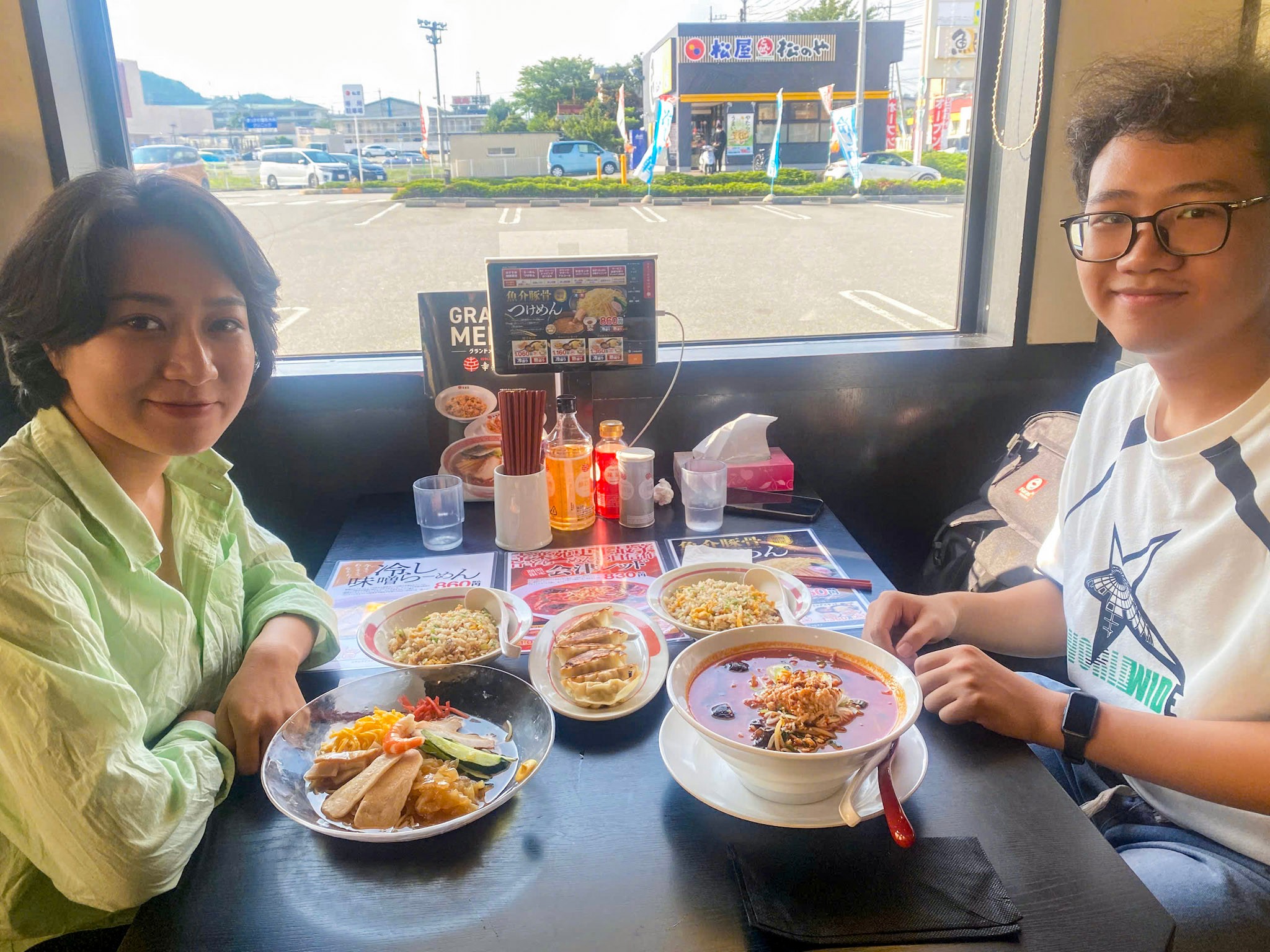
Beyond technical knowledge, the internship also marked Dũng’s first extended experience living independently in Japan. Before the trip, he was both excited and slightly nervous about being away from his family, using Japanese more extensively, and immersing himself in everyday life in Japan. From punctuality to everyday practices such as waste separation and public transportation, each small experience became a practical lesson in discipline and adaptability.
Yet the most important thing Dũng brought home from the trip was an answer to a personal question: Was he truly suited to this field? After two weeks at Shiima Electronics, the answer had become clearer:
“The trip helped me narrow the gap between what I learned in the classroom and the reality of the industry. Being directly immersed in a real working environment in Japan strengthened my confidence that choosing to pursue semiconductor chip technology was absolutely the right decision,” Dũng shared. “I also realized that what I am learning now is only the starting point. I need to further develop my knowledge of computer architecture, integrated circuit design, and semiconductor physics when I return to VJU.”
Thúy discovers new possibilities through an experience outside her field
While Dũng came to Shiima Electronics from a program directly connected to the semiconductor industry, Trần Thị Thúy began the internship from a completely different starting point. A student in the Bachelor’s program in Japanese Studies (BJS2023) with an initial career orientation toward law, Thúy nevertheless decided to take the opportunity to explore semiconductors, a field with significant potential.
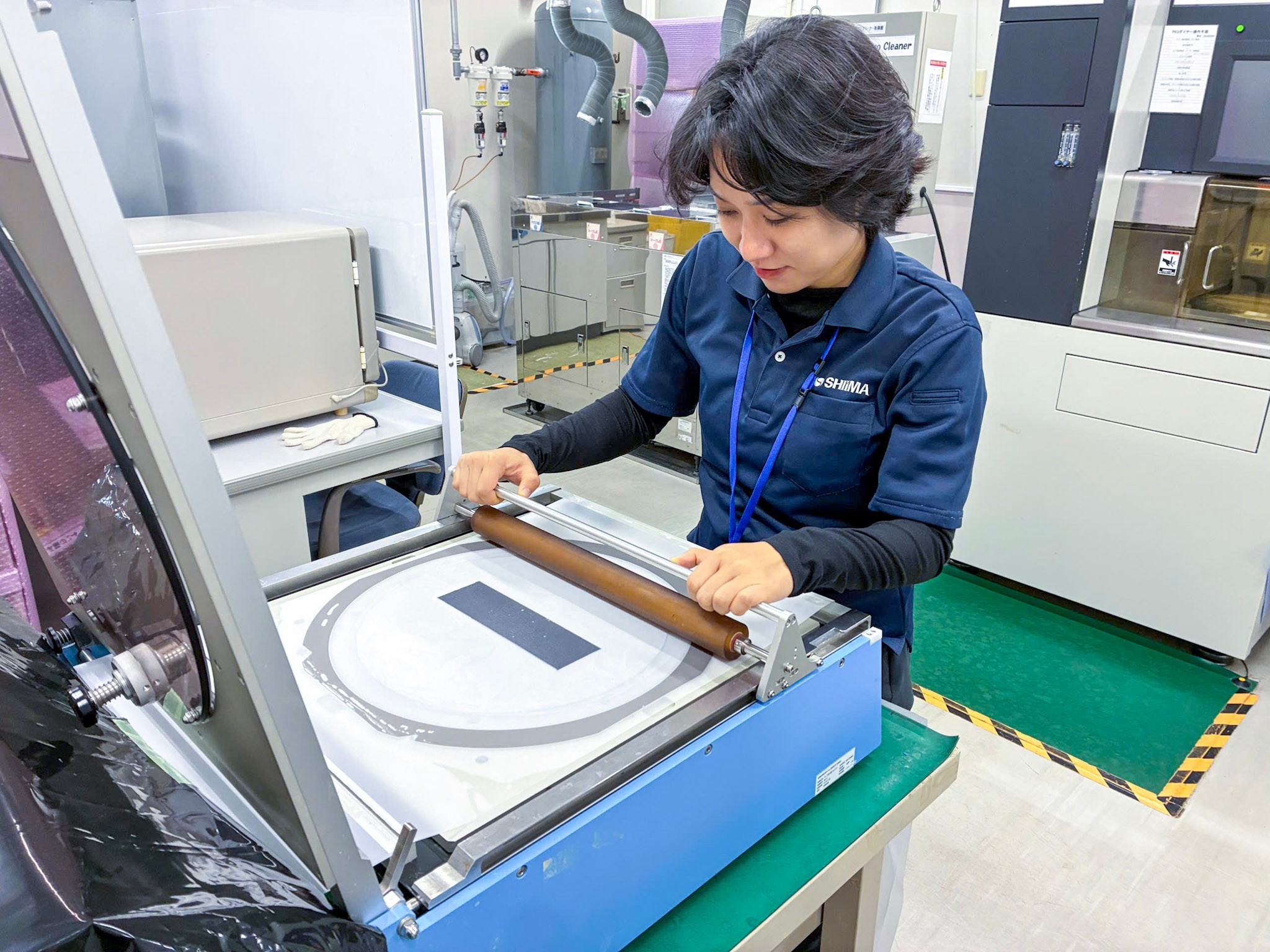
Stepping beyond the familiar world of Japanese Studies, which focuses largely on society, culture, and people, Thúy gained the opportunity to engage more deeply with natural sciences and engineering. At Shiima Electronics, she attended training sessions on the semiconductor industry, production processes, and semiconductor packaging technology. She also toured the factory and directly observed and practiced several stages of the production process.
The experience also gave Thúy a new perspective on an important aspect of working in Japan: understanding corporate culture and communicating clearly and accurately in Japanese. At Shiima Electronics, she not only studied basic semiconductor knowledge but also focused on learning technical terminology and developing her skills in technical interpretation. For a Japanese Studies student, this was a particularly valuable opportunity to see language not simply as an academic subject, but as a tool for connecting fields of expertise that might initially appear far from one another.
After two weeks, what Thúy gained was not necessarily an entirely new career direction, but a broader picture of what she might be able to do in the future: “I think this experience has opened up more possibilities for my career direction after graduation.”
Through the experience, Thúy also came to appreciate the strengths of the BJS program at VJU, where students have opportunities to learn from Japanese professors and experts, participate in exchange and internship programs, and actively explore different fields. For Thúy, university life does not necessarily have to be about rushing toward a single destination. Instead, it is about collecting one “dot” after another – experiences, knowledge, skills, and relationships – that may eventually connect into new paths.
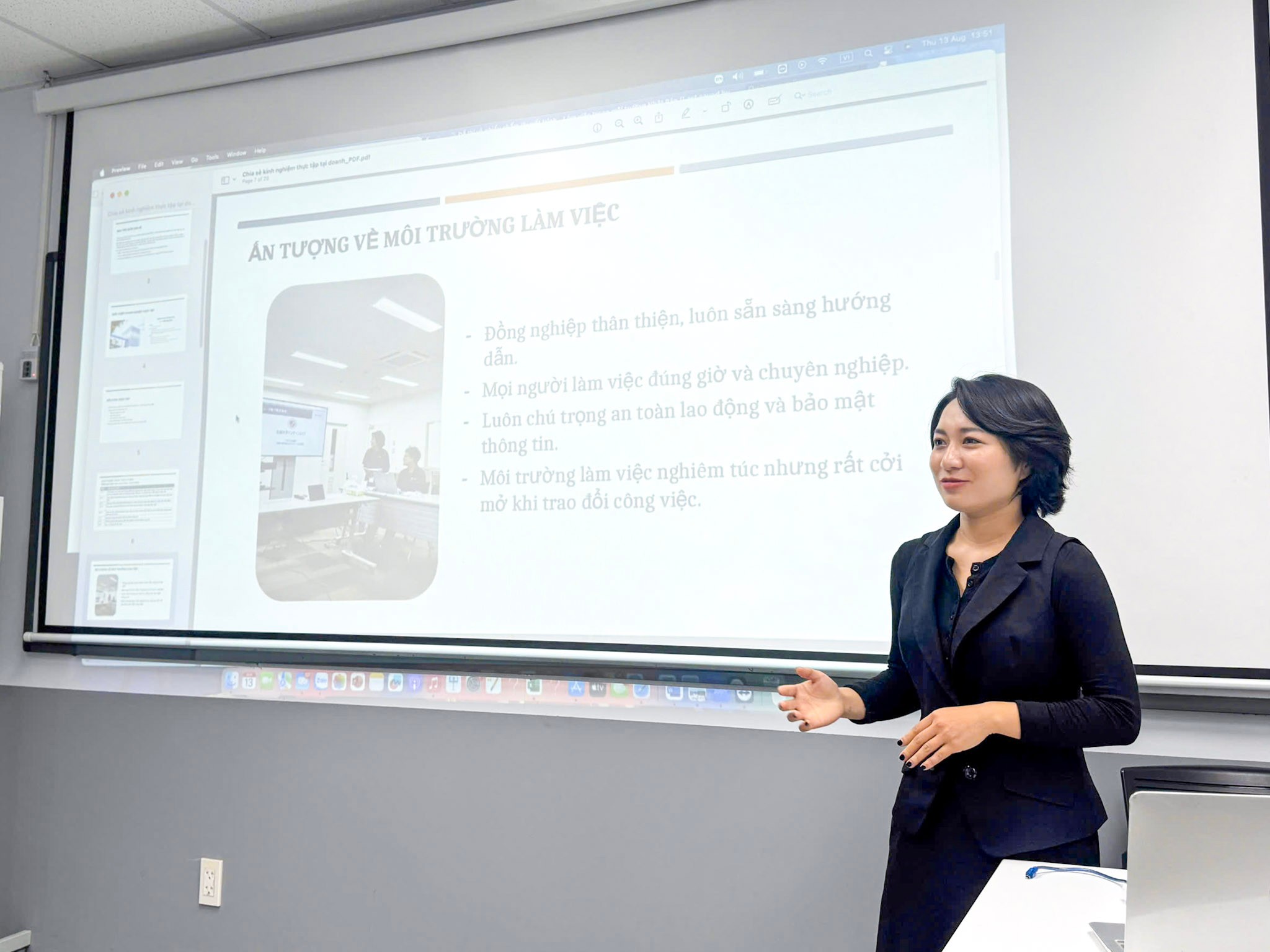
The two students started from different places and came away with different stories, but both found that an internship first and foremost helps students understand themselves better and see more clearly the possibilities ahead.
At VJU, connecting students with Japanese companies through internship programs is becoming a practical part of the educational journey – giving Dũng greater confidence in his decision to pursue semiconductors, while opening up new perspectives and possibilities for Thúy’s career path.